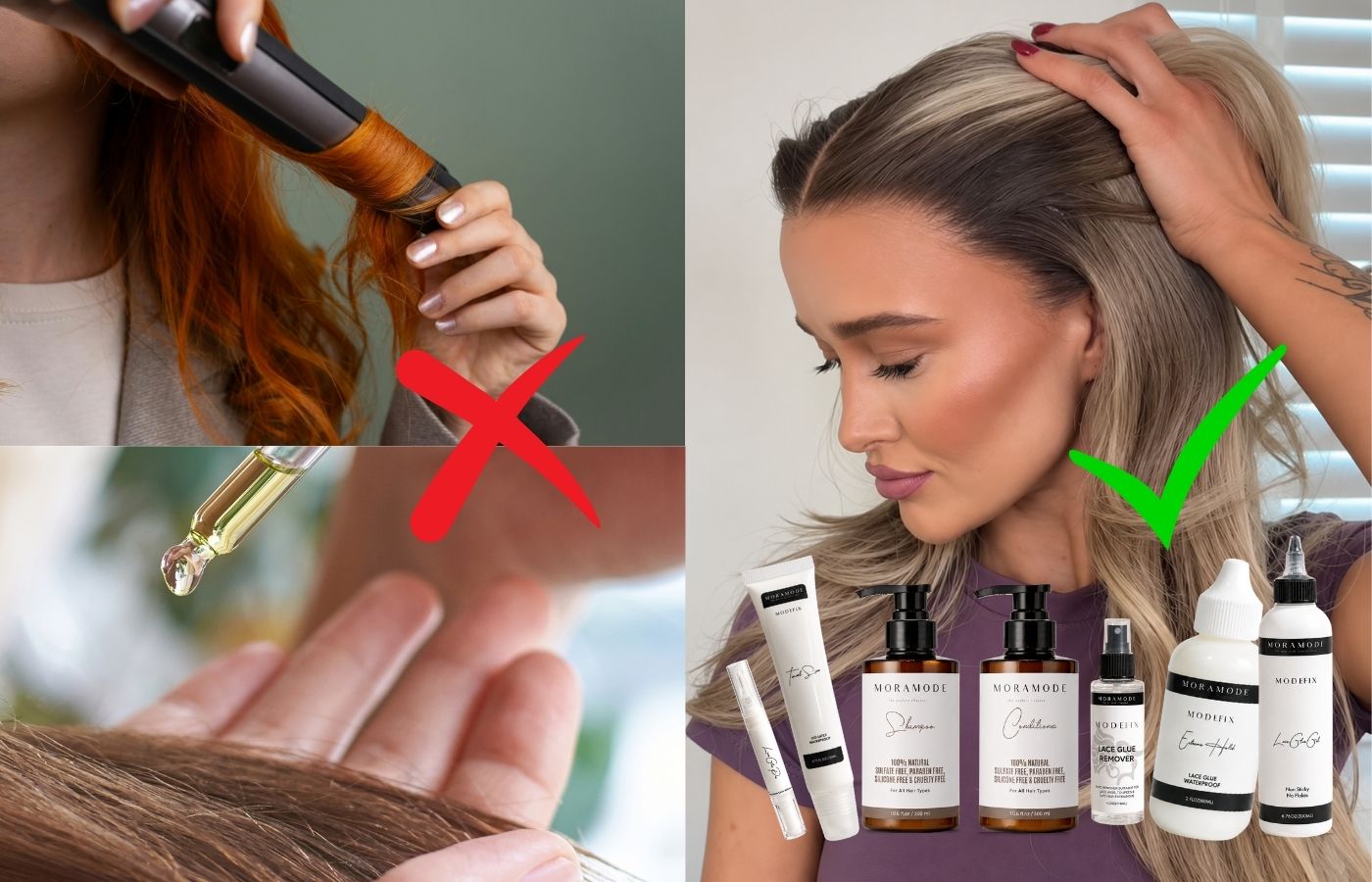












What Should You Not Use on a Wig?
A beautiful wig can last much longer when you use the right products and avoid the wrong ones. One of the easiest mistakes to make is assuming that anything suitable for natural growing hair will automatically be suitable for a wig too. That is not always the case. Human hair wigs, synthetic wigs, lace front wigs and human hair blends can all react differently to shampoos, styling products, heat and oils. The safest approach is usually a gentle one. Here are some of the main products and habits to avoid if you want to keep your wig looking soft, natural and manageable. 1. Avoid Harsh ShampoosOne of the biggest things to avoid is a very strong cleansing shampoo. Some ordinary shampoos contain harsher cleansing ingredients that can leave wig hair feeling dry, particularly with processed human hair. A wig does not receive natural oils from the scalp in the same way growing hair does, so once moisture is stripped away, the lengths can become harder to manage. Moramode recommends using low-chemical, colour-conscious products as part of wig maintenance. A gentler option is a shampoo formulated with wig care in mind, such as Moramode Hair Shampoo, which is sulfate-free, paraben-free and silicone-free and is designed for both natural hair and wigs. The important point is not to over-wash or over-cleanse. 2. Avoid Using Too Much ShampooEven the right shampoo can become a problem if you use too much. Wigs generally do not need a large amount of product. Using too much can make rinsing more difficult and leave residue behind. Instead, use a small amount and gently smooth it through the hair without rubbing the strands together. This keeps the routine simple and reduces unnecessary handling. 3. Avoid Heavy Oils at the RootsHeavy oils can make a wig look greasy very quickly. They can also create build-up around the lace, roots and cap. If you use oil at all, keep it light and focus mainly on dry ends. Avoid saturating the root area. With lace wigs, too much product near the base can make the hairline look heavy and may make the wig harder to maintain. A softer finish usually looks more natural than an overly glossy one. 4. Avoid Household ProductsIt may sound obvious, but household cleaning products should never be used on a wig. Avoid washing-up liquid, laundry detergent, surface cleaners or other household products. These are designed for completely different materials and can be far too harsh for wig fibres, lace and processed human hair. Stick to products specifically intended for hair or wigs. 5. Avoid Very Hot WaterHot water can dry out human hair and can also affect synthetic fibres. Use lukewarm water instead. When washing, keep the water flowing in the direction of the hair rather than swirling or scrubbing the wig in the basin. Moramode's own wig-care guidance recommends lukewarm water and mild pressure rather than hot water or aggressive washing. 6. Avoid Thick Conditioner on the Lace or KnotsConditioner is useful for keeping lengths soft, but it should mainly be concentrated through the mid-lengths and ends. Avoid heavily coating the lace, knots or cap. Too much conditioner at the base can create residue and make the wig feel heavier. If you want to keep your routine simple, Moramode Hair Conditioner can be incorporated into regular wig care alongside a gentle shampoo. Moramode’s hair-care range is designed for both natural hair and wigs, with a focus on keeping hair soft and manageable. 7. Avoid Excessive Dry ShampooDry shampoo can sometimes help reduce shine or refresh the appearance of a wig, particularly synthetic styles. But too much can leave a powdery coating. Use it sparingly. If the wig feels coated, stiff or unusually dull, adding more product is usually not the answer. It may simply be time for a proper gentle wash. 8. Avoid Hairspray That Leaves the Hair HardVery strong hairsprays can make the hair stiff and sticky. That can lead to more tangling and more brushing later. For everyday styling, use as little product as possible. A natural wig usually looks best when the hair still moves. If you need hold, choose a product suitable for the fibre and use a light application rather than saturating the hair. 9. Avoid Heat Unless the Wig Is Designed for ItNot every wig can be heat styled. This is especially important with synthetic wigs. Some synthetic fibres are heat-resistant, while others are not. For example, Moramode’s Dakota synthetic wig is specifically described as heat-resistant up to 118°C, which shows why checking the individual product specification matters rather than assuming all synthetic wigs behave the same way. If a wig is not labelled heat-friendly, avoid straighteners, curling irons and high-heat dryers. For human hair wigs, heat can still cause dryness if used too frequently. 10. Avoid Very High Temperatures Even on Human Hair WigsHuman hair wigs can usually offer more styling flexibility, but that does not mean unlimited heat is a good idea. Repeated straightening, curling or blow-drying at high temperatures can make the hair feel dry and brittle over time. Use heat only when needed. If the style already looks good, there is no benefit in repeatedly passing hot tools over the same sections. 11. Avoid Products That Build Up QuicklySilicone-heavy sprays, thick serums, waxes and oils can sometimes make a wig look glossy at first, but repeated use can create build-up. Once the hair becomes coated, it may feel heavier and require more frequent washing. That creates a cycle of product, washing and more product. A lighter routine is usually easier to maintain. Moramode's Hair Care collection is a useful starting point if you want products intended around wig and hair maintenance rather than a large collection of unnecessary styling products. 12. Avoid Using Ordinary Glue on LaceNever use household glue, craft glue or any adhesive that is not designed for wig or hair-system use. If you need adhesive, use a product specifically formulated for lace or hair systems. Moramode’s MODEFX Wig Glue Strong Hold is designed specifically for poly and lace systems. The same principle applies to removal. Do not try to force bonded lace away from the skin. Use an appropriate adhesive remover and allow the bond to loosen before lifting the wig. 13. Avoid Alcohol-Heavy Products Around the LaceProducts with a high alcohol content can sometimes be drying. This is especially relevant around delicate lace, processed hair and the hairline. If you are using styling sprays or cleansers, check the formulation rather than applying them automatically. The lace is one of the most delicate parts of the wig, so gentler handling usually gives better long-term results. 14. Avoid Too Much Product Before StorageDo not apply layers of oil, spray or serum and then put the wig away. Storage is best when the wig is clean, dry and gently detangled. If the hair is heavily coated, the fibres can become sticky or attract dust. A simple routine is usually enough: detangle, make sure the wig is dry, and place it on a wig stand or store it appropriately. What Should You Use Instead?You do not need a cupboard full of products. A simple routine is usually enough. Use a gentle shampoo. Use conditioner mainly through the lengths and ends. Detangle with a wide-tooth comb or suitable wig brush. Use styling products sparingly. Avoid unnecessary heat. And if you wear adhesive, choose products specifically designed for lace systems and remove them carefully. For customers who prefer to keep things straightforward, the Moramode Hair Care collection includes shampoo, conditioner and MODEFX lace-care products in one place. A Simple Wig Care RoutineBefore washing, gently detangle the hair from the ends upwards. Wash with lukewarm water and a small amount of gentle shampoo. Rinse thoroughly. Apply conditioner mainly through the mid-lengths and ends. Blot the wig gently with a towel rather than twisting it. Allow it to dry appropriately for the wig type. Then store it neatly between wears. It does not need to be more complicated than that. Why Less Is Often MoreOne of the easiest ways to make wig care harder is to keep adding products. A little extra oil becomes more shampoo. More shampoo leads to more conditioning. More styling product creates more build-up. Before long, the wig is being washed and styled far more than necessary. Keeping your routine light can help the hair maintain a softer, more natural finish. |