











Choosing a Wig After Chemotherapy
Choosing a wig after chemotherapy can feel emotional, personal and overwhelming. Hair loss during or after treatment can affect much more than your appearance. It can change how you feel getting ready in the morning, how comfortable you feel in public, and how connected you feel to your usual sense of self. If you are at this stage, please know that you do not have to rush the process. Choosing a wig is not about hiding who you are. It is about finding something that helps you feel more comfortable, confident and supported while your body goes through change. The right wig can help you feel like yourself again. It can bring back a familiar style, offer softness and coverage, or give you a fresh look when you feel ready. Start with Comfort FirstAfter chemotherapy, your scalp may feel more sensitive than usual. Some people experience tenderness, dryness, irritation or sensitivity to pressure. This means comfort should be your first priority when choosing a wig. A wig that feels too tight, scratchy or heavy can become uncomfortable quickly, especially if you plan to wear it for several hours. Look for soft cap construction, gentle edges and a fit that feels secure without pressing too firmly against the scalp. If you have little or no natural hair, the wig will sit directly against your skin. This makes softness and breathability even more important. A comfortable wig should support you through the day without making you feel distracted by it. Choose the Right Cap SizeThe right wig size can make a big difference to comfort and security. A wig that is too small may feel tight and uncomfortable. A wig that is too large may shift, lift or feel unstable. Before buying, measure your head carefully. Your head circumference is the most important measurement, but front-to-nape and ear-to-ear measurements can also help you understand your fit. If your hair has changed or you have lost most of your hair, your previous wig or hat size may no longer feel accurate. Measure your head as it is now so you can choose the most comfortable fit. A well-fitted wig will sit more naturally around the hairline and nape, helping the wig look realistic and feel more secure. Look for Wigs for Sensitive ScalpsWhen choosing a wig after chemotherapy, scalp comfort matters just as much as the style. Some cap types and materials may feel better than others, especially if your scalp is bare or delicate. Soft, breathable and lightweight caps are usually more comfortable for daily wear. If possible, avoid wigs that feel rough, stiff or heavy around the scalp. Some customers also choose to wear a soft wig cap liner underneath their wig. This can create a gentle layer between the scalp and the cap, helping reduce friction and making the wig feel softer. The goal is to choose a wig that feels kind to your scalp while still giving you the confidence of a finished hairstyle. Glueless Wigs Can Feel Easier
Glueless wigs can be a helpful option after chemotherapy because they do not require daily glue or tape. For many people, adhesives can feel uncomfortable or unnecessary, especially if the scalp is sensitive. A glueless wig is designed to feel secure using features such as adjustable straps, elastic bands, combs or cap construction. This makes it easier to put on and remove without a complicated routine. This can be especially reassuring if you are new to wigs. A simple, gentle application can make the whole experience feel less overwhelming. If comfort and convenience are important to you, a glueless wig may be a good place to start. A Natural-Looking Hairline Can Help Confidence
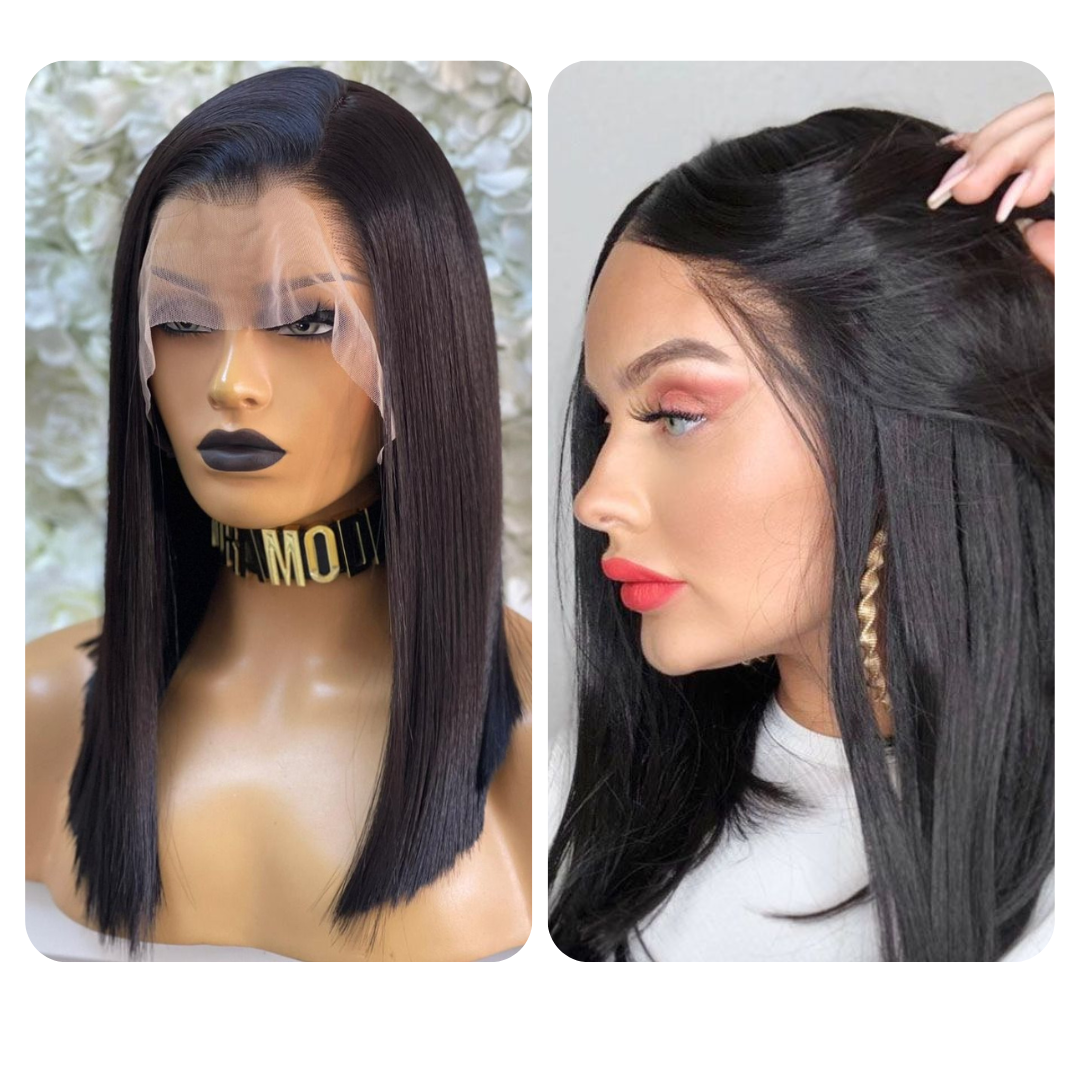
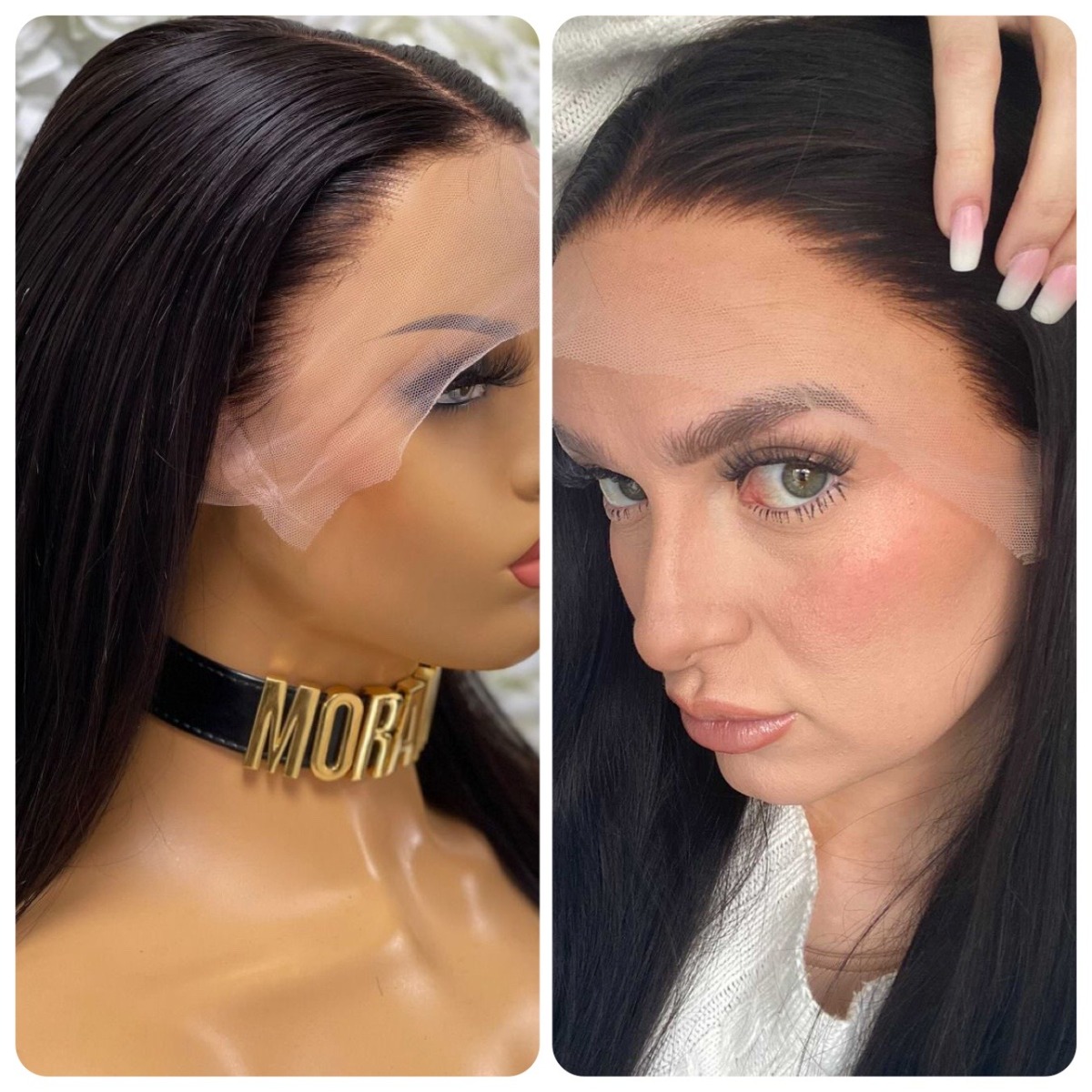
One of the most common worries after chemotherapy hair loss is whether a wig will look natural. The hairline plays a big role in this. A realistic hairline can make the wig feel softer and more believable around the face. Lace front wigs are popular because they help create the illusion of hair growing from the scalp at the front. Moramode’s Invisible Lace Wigs are designed for customers who want a more natural-looking hairline and seamless finish. This can be especially helpful if you want to feel confident in everyday situations, close conversations, photos or video calls. A natural-looking wig can help reduce the feeling of being “aware” of your wig throughout the day. Choose a Style That Feels FamiliarAfter chemotherapy, many people prefer to choose a wig that looks similar to their previous hair. This can make the transition feel softer and more reassuring. If you previously wore a shoulder-length brunette style, you may feel most comfortable starting there. If you loved blonde highlights, soft waves or a bob, choosing a similar style can help you feel more like yourself. There is no rule that says your wig must match your previous hair exactly. Some people choose this time to try a fresh look. But if you feel nervous, familiar colours and lengths can make the experience feel easier. The best wig is the one that feels emotionally comfortable for you. Consider a Ready to Ship Wig If You Need One SoonHair loss during chemotherapy can sometimes happen quickly, and you may not always have time to wait for a made-to-order wig. Moramode’s Ready to Ship Wigs can be helpful if you need a wig sooner. These wigs are already available as listed, making them a practical option if you want a beautiful style without a long wait. This can be especially useful if you are preparing for work, family events, appointments, travel or simply want to feel more prepared. Before choosing a Ready to Ship Wig, check the cap size, colour, length and product details carefully so you can feel confident before ordering. Think About Everyday Maintenance
During or after chemotherapy, you may not have the energy for a complicated wig routine. This is completely understandable. Choose a wig that fits your lifestyle and daily energy levels. Bobs, shoulder-length wigs, soft waves and ready-to-wear styles are often easier to manage than very long or high-maintenance styles. A lower-maintenance wig can make mornings feel easier. It should be simple to place, adjust and gently brush into shape. If you want a wig that gives you confidence without too much effort, choose something that feels practical as well as beautiful. Human Hair, Synthetic or Blend: Which Is Best After Chemotherapy?There is no single best choice for everyone. The right option depends on your budget, lifestyle and styling preferences. Human hair wigs usually offer the most natural movement and more styling flexibility. They can be heat-styled, but they also need more care. Synthetic wigs often hold their style well and can require less day-to-day styling. This can be useful if you want something simple and reliable. Human hair blend wigs can offer a balance between a natural look and easier maintenance. If you are unsure, think about how much time you want to spend styling your wig. Comfort and ease are just as important as appearance. Choose a Colour That Makes You Feel ComfortableColour can have a big emotional impact. Some people want a wig that matches their previous hair as closely as possible. Others see a wig as a chance to try something new. Natural black, soft brunette, chocolate brown, rooted blonde, caramel balayage and gentle highlights are all popular because they can look natural and wearable. If you are choosing your first wig after chemotherapy, it may feel easier to start with a colour close to your natural shade. Once you feel more comfortable, you can explore new colours if you wish. The right colour should make you feel calm, confident and like yourself. Premium Scalp Realism with MODE Silk European Hair WigsFor customers who want a highly realistic parting area, Moramode’s MODE Silk European Hair Wigs are worth exploring. Silk base wigs are designed to create the illusion of hair growing from the scalp, especially around the parting. This can feel especially reassuring if you have little or no natural hair and want the wig to look realistic up close. A premium scalp illusion can help the wig feel more natural in daylight, photos and everyday wear. If you are looking for a luxury wig after chemotherapy, MODE Silk European Hair Wigs may be a beautiful option to consider. Caring for Your Wig During RecoveryA proper care routine helps keep your wig soft, smooth and comfortable to wear. If your wig becomes dry, tangled or heavy with product, it may feel less pleasant against the skin. Moramode’s Hair Care products can help support your routine by keeping the hair manageable and fresh. Gentle cleansing, conditioning and careful brushing can make the wig easier to wear. Avoid overusing styling products, as this can create build-up. Store your wig on a wig stand when not in use to help keep its shape and reduce tangling. Caring for your wig gently can help it look better and feel more comfortable for longer. Give Yourself Time to AdjustWearing a wig after chemotherapy can take time emotionally. You may feel unsure at first. You may need to try different styles, practise putting the wig on, or get used to seeing yourself with hair again. This is completely normal. Start by wearing your wig at home. Then try short outings when you feel ready. Over time, the wig can begin to feel more familiar and natural. You do not need to feel confident immediately. Confidence often builds slowly, through comfort, routine and choosing a wig that feels right for you. |