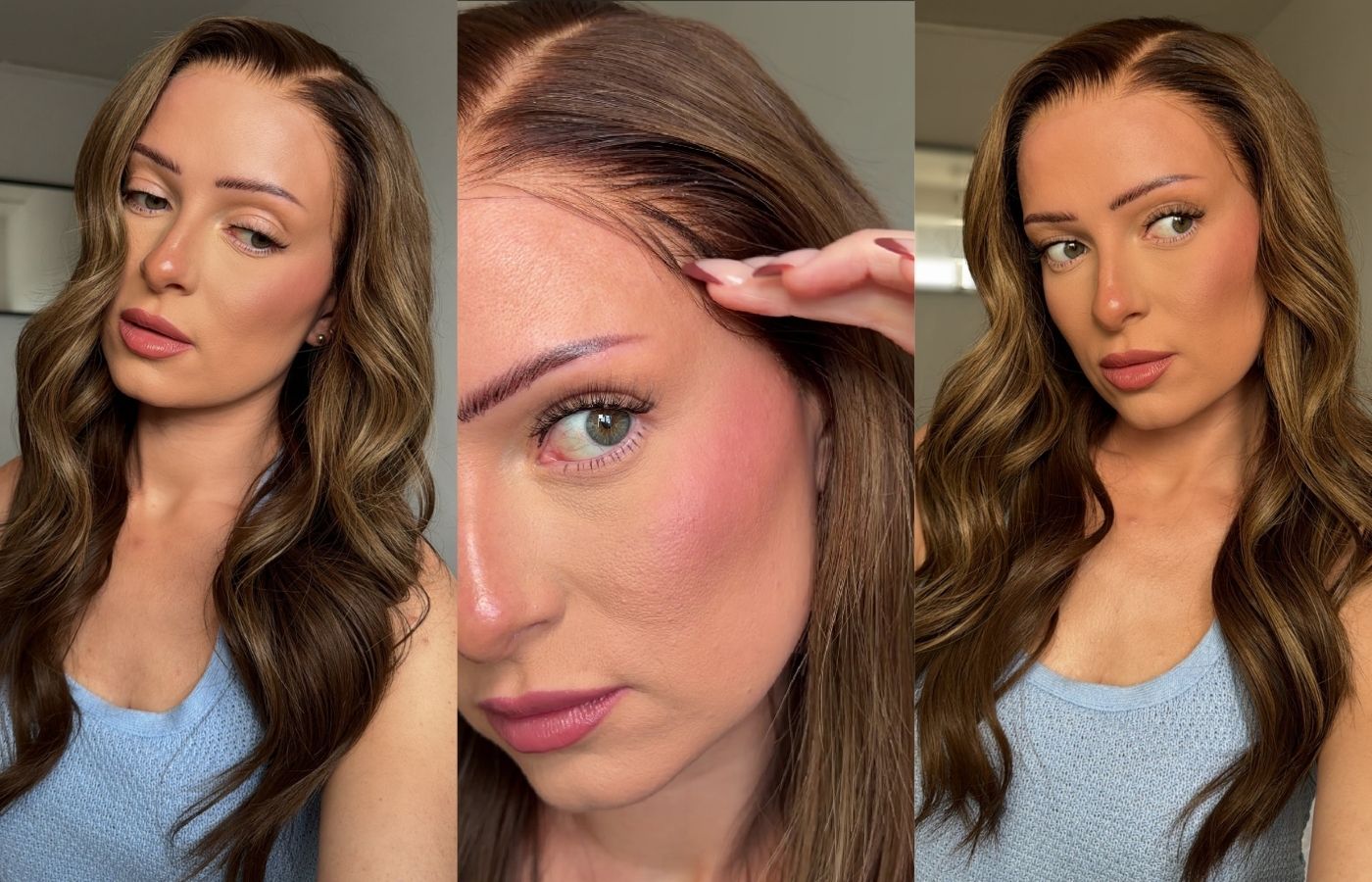











What Are Baby Hairs on a Wig? Featuring the Jeanne Wig
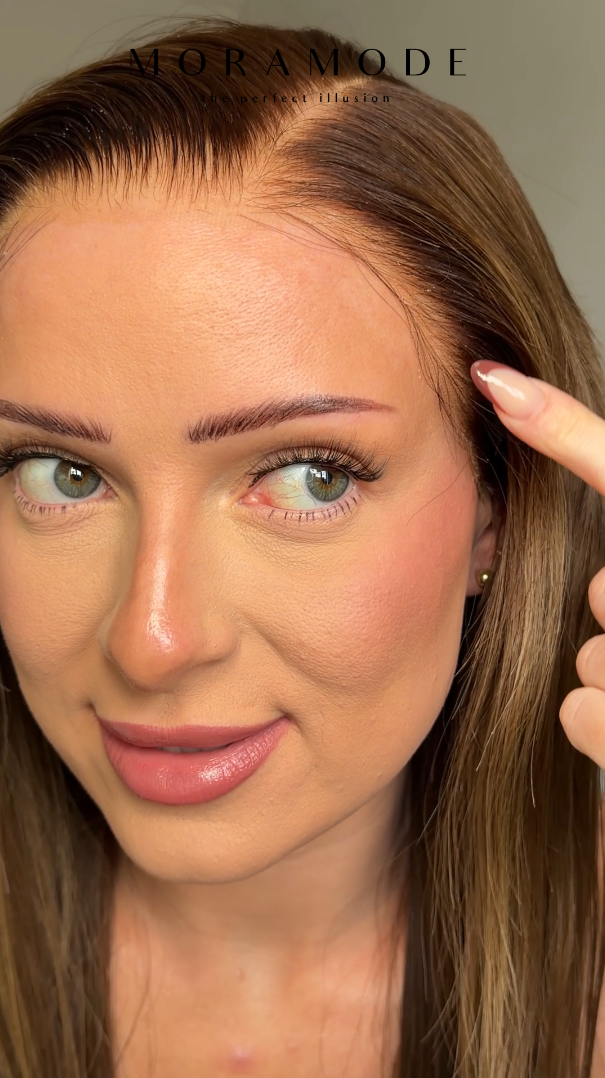
Ever wondered what baby hairs are, what they look like, or why they are such a popular feature on lace wigs? They are one of those small details that can make a surprisingly big difference to the finished look of a wig. Baby hairs are the shorter, finer strands positioned around the front hairline. They are designed to imitate the softer hairs many people naturally have around the forehead and temples. When used well, they can help break up the edge of the hairline and create a softer, more natural-looking finish. In this guide, we are taking a closer look at baby hairs using the Jeanne Wig as an example — including what they do, whether you actually need them, and how they can change the overall appearance of your wig. What Are Baby Hairs?Baby hairs are short, fine strands placed around the front of a wig. Unlike the longer hair through the main body of the wig, these strands are deliberately shorter so they can sit naturally around the forehead, temples and sides of the hairline. They are usually designed to mimic the finer hairs found around a natural hairline. Rather than creating one completely uniform edge, baby hairs introduce softness and variation. That small detail can make a lace front look less structured and more realistic. What Do Baby Hairs Look Like on a Wig?Baby hairs usually appear as soft, shorter pieces immediately around the lace hairline. They should not look like a thick fringe or a heavy row of short hairs. The most natural result is subtle. On the Jeanne Wig, the baby hairs help soften the transition between the lace and the main hair, particularly around the front and temple areas. They can be worn very lightly, styled into small curves or left with a softer, less defined finish depending on the look you prefer. Why Do Wigs Have Baby Hairs?The main purpose is to make the hairline look more natural. Natural hairlines are rarely perfectly straight or completely uniform in density. There are usually smaller hairs around the front and temples. Baby hairs recreate some of that irregularity. They can also help draw attention away from the lace edge by adding movement directly around the hairline. This is especially useful with Invisible Lace Wigs, where the overall aim is to create a soft, realistic-looking transition between the wig and skin. Do Baby Hairs Make a Wig Look More Real?They can. Baby hairs are not the only thing responsible for realism, but they can enhance a good hairline. The most natural wig finish comes from several details working together: Fine lace. A well-designed hairline. Realistic density. The correct lace colour. A comfortable cap fit. Natural-looking parting. And, where appropriate, subtle baby hairs. If those elements already work well, baby hairs can become the finishing touch rather than something used to disguise the wig. Do You Actually Need Baby Hairs?Not necessarily. Baby hairs are a styling feature, not a requirement. Some people love them because they create a softer, more styled hairline. Others prefer a completely clean lace front without visible baby hairs. Both can look natural. The choice comes down to the look you prefer. If you like a sleek, simple hairline, you may barely style them at all. If you prefer more definition around the temples or forehead, you may choose to shape them more visibly. There is no single correct way to wear them. Baby Hairs vs a Clean HairlineA clean hairline creates a more minimal finish. The lace and front density do most of the work, with the longer hair beginning close to the edge. Baby hairs create a slightly softer transition. They can make the front feel less formal and sometimes help a wig resemble a naturally styled hairline. The difference can be quite subtle, but once you compare both finishes side by side, it becomes easier to see why baby hairs are so popular. How Baby Hairs Change the Jeanne Wig
The Jeanne Wig is a good example because the baby hairs complement the overall hairline without becoming the focus of the style. Rather than looking heavily styled, the shorter strands add softness around the front. This can make the transition from skin to hair appear more gradual. The result is not about creating dramatic edges. It is about adding another small layer of realism to the wig. Can You Style Baby Hairs?Yes. Baby hairs can be styled in several ways depending on the finish you want. For a very natural look, you can leave them lightly positioned around the hairline. For a more polished look, they can be gently shaped. The important thing is not to overload them with product. Too much gel or styling product can make the front feel stiff or overly obvious. Start with a very small amount and add more only if needed. The goal is softness. Should Baby Hairs Be Flat Against the Skin?They do not have to be. Some people prefer a more laid-down finish, while others like the strands to sit naturally without being pressed flat. A softer approach can work particularly well if you want the wig to look effortless rather than highly styled. Again, there is no one rule. Think about how you usually wear your hair and choose the finish that feels most natural to you. Do Baby Hairs Work With Glueless Wigs?Yes. Baby hairs can be used on glueless lace front wigs just as they can on adhesive installations. The natural appearance still depends on how the wig sits, how the lace blends and how the front is positioned. A glueless wig does not need adhesive to benefit from a softer hairline. If the fit is good and the lace sits naturally, baby hairs can simply enhance the finished look. Lace Colour Still MattersBaby hairs can soften the front, but they cannot completely compensate for lace that does not blend well with the skin. That is why it is still important to choose the right lace shade. Moramode’s Lace Colour Guide can help you understand which lace option is most suitable for your complexion. The closer the lace works with your skin tone, the more seamless the overall hairline can appear. Baby hairs then become the finishing detail. Cap Construction Also Affects the LookThe way baby hairs sit can vary depending on how the wig is constructed. A lace front construction concentrates lace around the front, while other Cap Constructions provide different levels of coverage and styling flexibility. Understanding the cap can help you know what to expect from the hairline before the wig even arrives. It can also help you decide whether baby hairs are something you want to feature prominently or keep very subtle. How to Keep Baby Hairs Looking NaturalThe biggest tip is not to overdo them. Use only a small amount of styling product. Avoid making every strand identical. Keep the shape soft. Do not repeatedly tug at the lace while styling. And if the baby hairs already sit nicely, leave them alone. The most convincing hairlines often look effortless. What If You Do Not Like Baby Hairs?That is completely fine. You do not have to style them prominently simply because the wig includes them. They can often be blended back into the rest of the hair for a cleaner finish. Some wearers barely use them at all. Your wig should suit your own style rather than follow a particular trend. Watch the Jeanne Wig Baby Hair VideoWant to see the difference rather than just read about it? Watch our short Jeanne Wig video to see what baby hairs look like up close, how they sit around the hairline, and why they can make such a difference to the finished look. ▶ Watch the Baby Hair Video
Final ThoughtsBaby hairs may be small, but they can make a noticeable difference. They help soften the front of the wig, add natural variation around the hairline and can make the lace transition feel less obvious. But they are not something every wig wearer has to use. Whether you style them, keep them subtle or blend them back entirely comes down to personal preference. As the Jeanne Wig shows, the best baby hairs do not dominate the look. They simply help create a softer, more natural finish — another detail contributing to The Perfect Illusion. |