


















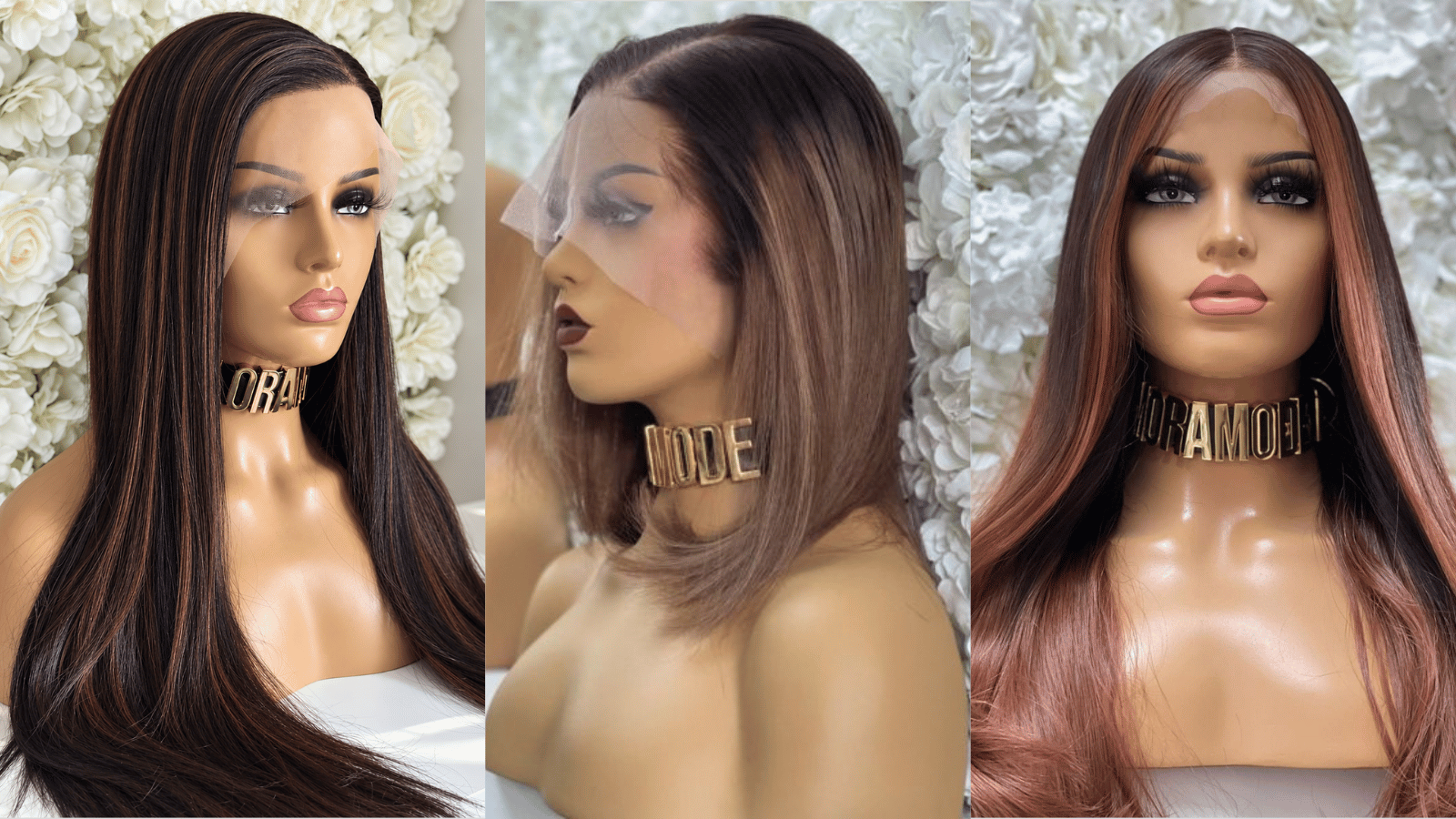
Choosing a wig when you are experiencing hair loss can feel very different from buying one simply because you want a new hairstyle.
Comfort matters more.
Security matters more.
The hairline matters more.
And if you have little or no natural hair underneath, the way the wig cap sits against your scalp can become just as important as the color or style.
Whether you are experiencing alopecia, thinning hair or another form of hair loss, the best wig is not necessarily the most expensive one.
It is the wig that feels comfortable, looks natural and works with the way you actually live.
Here is what to look for.
1Start With the Amount of Coverage You Need
Hair loss can look very different from person to person.
Some people have thinning concentrated around the crown or parting.
Others may have patchy hair loss.
And some people with alopecia may have very little or no scalp hair remaining.
The amount of coverage you need will help determine whether a full wig or another type of hairpiece is the better option.
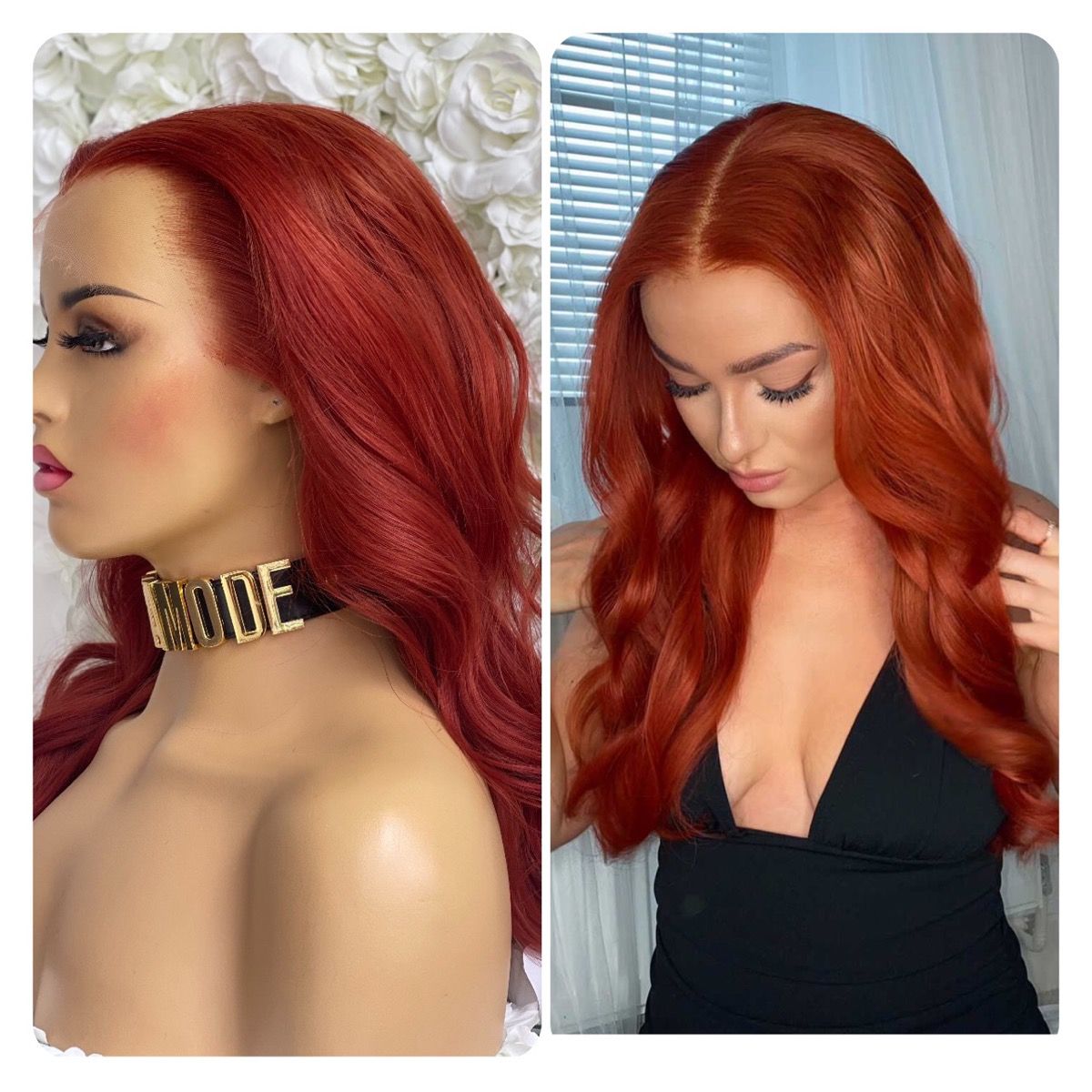
If you want complete coverage, a full lace or lace-front wig can give you a completely new hairstyle while covering the entire scalp.
Moramode's Invisible Lace Wigs are designed for wearers who want a natural-looking lace finish with a wide choice of colors and styles.
2Pay Close Attention to the Hairline
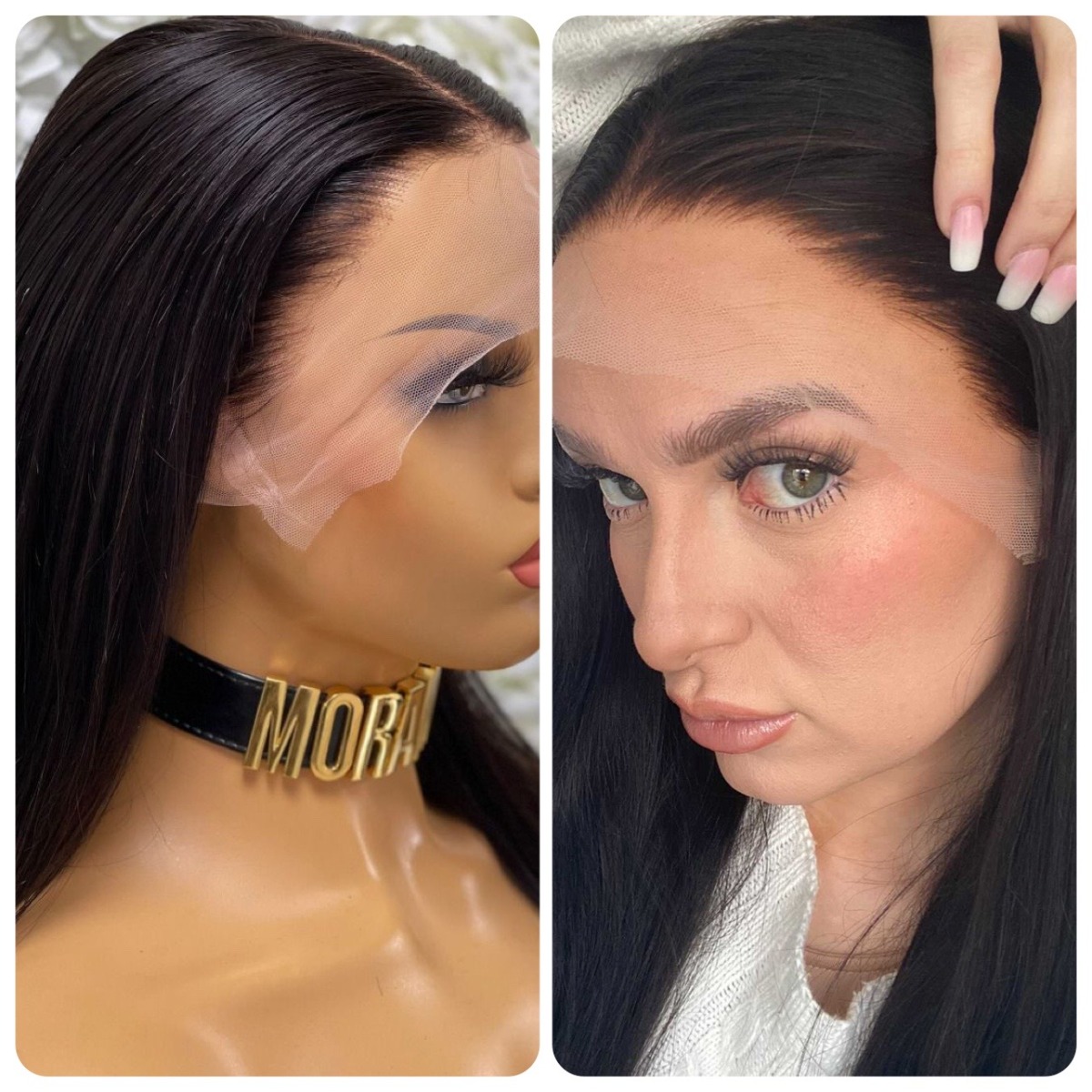
When there is little natural hair around the forehead, the wig hairline becomes especially important.
A thick, overly dense front can make even beautiful hair look less natural.
Look for a softer transition at the front of the wig.
Fine lace, appropriate density and a carefully designed hairline can help create the appearance of hair growing naturally from the scalp.
This is one of the main reasons lace wigs are so popular with people looking for realistic hair-loss solutions.
If you are unsure which lace shade may work with your complexion, see Moramode's Lace Color Guide.
3Choose the Right Cap Construction
The inside of the wig matters just as much as the outside.
Cap construction affects:
- Comfort
- Security
- Breathability
- Parting options
- Hairline appearance
- Styling flexibility
If your scalp is exposed or particularly sensitive, you may notice the construction much more than someone wearing a wig over a full head of hair.
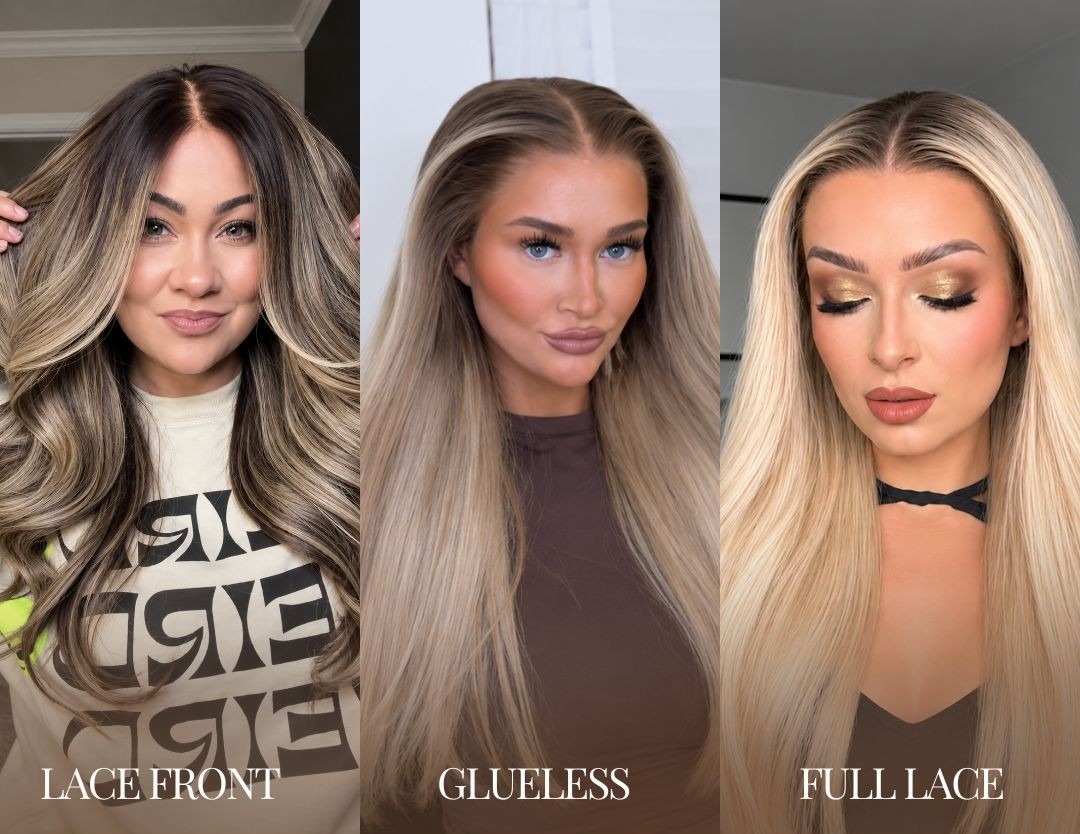
Moramode offers several different Wig Cap Constructions, including lace-front, full-lace and glueless options.
The best choice depends on how often you plan to wear the wig and how much styling freedom you want.
4Consider a Glueless Wig for Easier Daily Wear
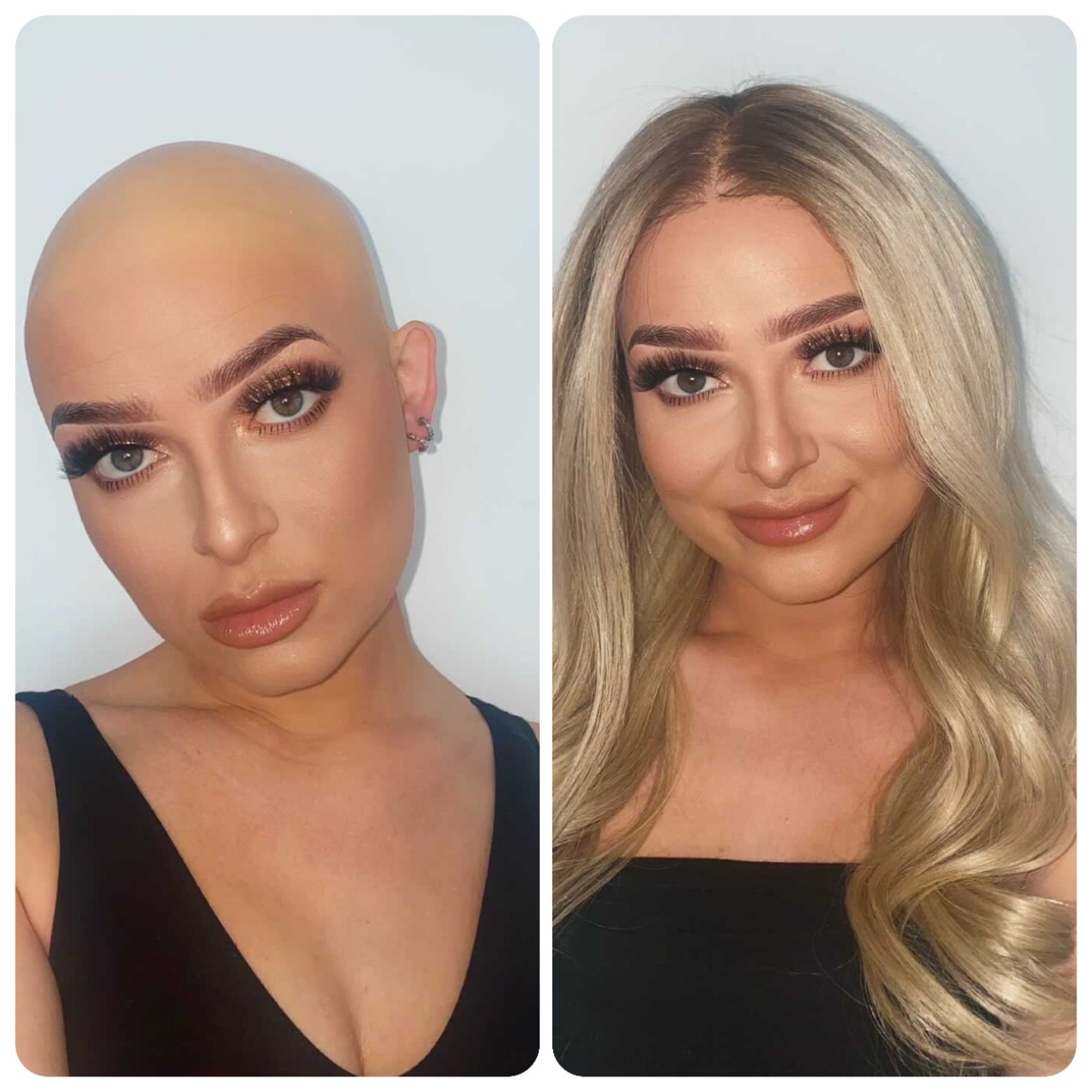
Glueless wigs have become especially popular because they can provide security without requiring adhesive every time you put your wig on.
They may use features such as adjustable straps, elastic bands or internal combs depending on the construction.
For someone wearing a wig regularly, this can simplify the morning routine.
A glueless option can also be appealing if you prefer not to apply and remove adhesive frequently around the hairline.
The important thing is getting the fit right.
A wig should feel secure, but it should not create uncomfortable pressure around the scalp or temples.
5Human Hair or Synthetic: Which Is Better for Hair Loss?

Both can work.
The right option depends on your priorities.
Human Hair Wigs
Human hair gives you natural movement and more styling freedom.
It can generally be curled, straightened and restyled more extensively than synthetic fiber.
If you want your wig to behave much like naturally growing hair, human hair may be the better choice.
Explore Moramode's Human Hair Invisible Lace Wigs if realism and styling versatility are high priorities.
Synthetic Wigs
Synthetic wigs can be easier to maintain because the hairstyle is largely built into the fiber.
That can make them useful if you want something you can put on without doing a full styling routine every morning.
They are also generally more affordable than premium human hair wigs.
Browse Moramode's Synthetic Lace Wigs if you want an easier, lower-maintenance option.
6Think About How Often You Will Wear Your Wig
Are you looking for something you will wear every day?
Or only occasionally?
Daily wear puts more demand on a wig.
Friction from clothing, brushing and regular handling gradually affects both the hair and the cap.
If you plan to wear your wig every day, think about comfort before choosing purely based on appearance.
You may also find it useful to rotate between two wigs rather than wearing the same one every single day.
That gives each wig time to rest between wears.
7Comfort Matters When You Have a Sensitive Scalp
A scalp affected by hair loss can sometimes feel more sensitive than usual.
That makes soft construction and proper sizing especially important.
The wig should not feel painfully tight.
It should also not move constantly throughout the day.
Measure your head carefully before ordering and compare your measurement with the cap-size information provided for the wig.
A beautiful wig that does not fit correctly will rarely become your favorite everyday piece.
8Natural Density Usually Looks Better Than Too Much Hair
It can be tempting to assume that more hair means a better wig.
Not always.
Very heavy density can look bulky, particularly around the hairline and crown.
A more balanced density often creates a softer appearance.
Think about how naturally growing hair sits around the scalp.
There is usually less visual bulk directly at the hairline before the hair becomes fuller through the lengths.
That gradual transition can make an enormous difference to how realistic a wig looks.
9Your Parting Matters Too
Do not focus only on the front hairline.
Look at the parting as well.
A natural-looking part should create enough separation between the hair to suggest a realistic scalp underneath.
If the parting looks extremely dense, the whole wig can appear heavier.
Lace and other carefully constructed top areas can help give the illusion that individual hairs are growing from the scalp.
10Choose a Color You Will Actually Feel Comfortable Wearing
Your first hair-loss wig does not have to be a dramatic transformation.
Many people feel most comfortable beginning with a color similar to their natural hair.
That can make the transition into wearing a wig feel much easier.
Others use the opportunity to try something completely different.
You can explore Moramode's different color collections, including:
There is no rule that says you need to recreate exactly what your hair looked like before.
Choose the color that makes you feel most like yourself.
11Rooted and Dimensional Colors Can Look Especially Natural
Natural hair is rarely one perfectly uniform shade from root to end.
Rooted colors, balayage and subtle highlights add dimension.
A darker root can also create visual depth around the parting, particularly with blonde wigs.
This is one reason dimensional colors can look especially convincing when you are trying to create the appearance of naturally growing hair.
12Do You Need Baby Hairs?
Not necessarily.
Baby hairs are a styling preference rather than something every natural-looking wig requires.
Some people like them because they soften the front hairline.
Others prefer a clean, simple lace hairline without them.
The most natural choice is usually the one that resembles how you would normally wear your hair.
13Do You Need Wig Glue?
No.
Some lace wigs are designed to be worn without adhesive.
Other wearers prefer glue or another method for additional security.
The right choice depends on the cap, fit, hairstyle and your personal preference.
If you are experiencing scalp sensitivity, be cautious about introducing new adhesive products and discontinue anything that causes irritation.
Your wig should feel secure without making your scalp uncomfortable.
14What About Wigs for Complete Hair Loss?
If you have very little or no natural hair, fit becomes especially important because there may be less natural hair underneath to help stabilize the wig.
A well-fitting cap, adjustable features and the right construction can make a significant difference.
Some people prefer glueless options.
Others prioritize full-lace construction because of the styling freedom and realistic appearance it can provide.
There is no single construction that works for everyone with alopecia.
Your scalp sensitivity, lifestyle, styling preferences and desired level of security all matter.
15Wigs for Thinning Hair vs Complete Hair Loss
The needs can be quite different.
If you still have significant natural hair, you need to think about how comfortably the wig will sit over it.
If you have complete hair loss, the cap will sit directly against the scalp.
That is why two people experiencing "hair loss" may prefer completely different wig constructions.
Try not to choose solely based on what works for someone else.
16Should You Choose a Short or Long Wig?
Shorter wigs can be easier to manage because there is less hair rubbing against clothing.
That usually means fewer tangles around the nape.
Longer wigs give you more styling options, but they typically require a little more maintenance.
If you are wearing a wig for the first time, a bob or mid-length style can sometimes make the adjustment easier.
But if long hair feels most like you, there is no reason you cannot start there.
17Consider Your Lifestyle Before Choosing
Think about your normal day.
Do you work long hours?
Exercise regularly?
Travel often?
Live somewhere hot or humid?
Prefer spending almost no time styling your hair?
Your answers matter.
For example, someone who wants to put their wig on quickly before work may love a glueless, pre-styled option.
Someone who loves changing their hairstyle every week may get more value from human hair.
18Look at Real Product Photos and Videos
When shopping for a wig online, do not judge it only from one highly styled photograph.
Look closely at:
- The front hairline
- The part
- The lace
- The roots
- The color in different lighting
- The wig from the side and back
- How the hair moves
Videos can be particularly useful because they show the movement and density much more clearly than one still image.
19Remember That a Wig Provides Coverage, Not Treatment
A wig can be a very helpful option for managing the appearance of hair loss, but it does not treat the underlying reason for the hair loss itself.
If you are experiencing new, unexplained or rapidly changing hair loss, speak with an appropriate medical professional.
You can still explore wigs at the same time.
The two decisions do not have to be mutually exclusive.
20What Makes a Wig Look Most Natural for Hair Loss?
Usually, it is not one feature.
It is the combination of:
- A well-fitting cap
- Fine lace
- A soft hairline
- Realistic density
- A believable parting
- Natural color dimension
- Comfortable construction
- Hair that moves naturally
When all of those details work together, the finished result becomes much more convincing.
Human Hair Wigs for Alopecia and Hair Loss
If maximum realism and styling freedom are important to you, human hair is worth considering.
Moramode's Invisible Lace Human Hair Wigs are available in a wide range of lengths, colors and constructions.
You can choose the option that best fits your preferred hairline, styling routine and everyday needs.
Synthetic Wigs for Hair Loss
If you prefer lower maintenance, synthetic can be an excellent alternative.
A pre-styled synthetic wig can simplify your routine because you do not necessarily have to recreate the hairstyle every time you wash it.
Moramode's Synthetic Wig Collection includes lace styles in different lengths, colors and textures.
Need Your Wig Sooner?
If you need a wig without the usual made-to-order production period, browse Moramode's Ready to Ship Wigs.
These wigs are already made and available in the listed specifications.
Always check the cap size, color, hair length, lace and construction carefully before ordering because Ready to Ship wigs cannot be customized.
How to Care for an Everyday Wig
Regular wear does not need to mean complicated maintenance.
Detangle gently from the ends upward.
Avoid excessive heat.
Wash only when necessary.
Condition human hair lengths appropriately.
Keep product buildup around the lace to a minimum.
Store the wig properly between wears.
And avoid sleeping in your wig whenever possible if you want to reduce unnecessary friction.
You can explore Moramode's Hair Care collection for products to include in your regular routine.
Final Thoughts
Finding the best wig for hair loss or alopecia is not about choosing the wig with the longest hair, the highest density or the highest price.
It is about finding a wig that works for you.
Look at the hairline.
Look at the cap.
Think about your scalp.
Consider how much maintenance you want.
Decide whether you prefer human hair or synthetic.
And most importantly, choose something you genuinely feel comfortable wearing.
A good wig should fit into your life rather than making your routine more difficult.
Explore Moramode's Invisible Lace Wigs, Synthetic Wigs and Ready to Ship Wigs to find the option that best suits your needs.